What would it feel like to step out your door and be on Naperville’s Riverwalk in minutes? If you love a walkable downtown, easy access to parks, and a calendar full of community events, this area might be exactly what you want. At the same time, you may be weighing yard space, parking needs, school questions, and commute times. In this guide, you’ll learn how daily life works around the Riverwalk so you can decide if it fits your lifestyle and budget. Let’s dive in.
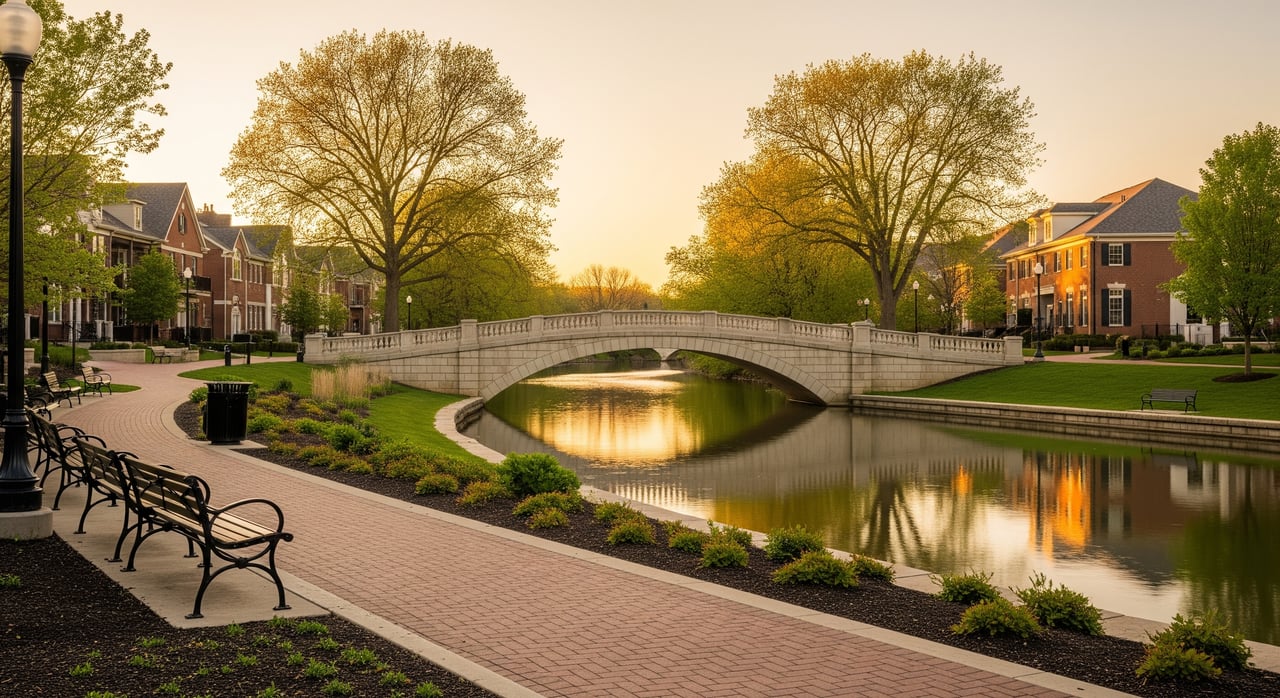
The Riverwalk is Naperville’s civic and recreational heart. It runs along the DuPage River with stone terraces, footbridges, seating, and plazas that make it easy to pause and enjoy the view. You can walk to Main and Washington Streets for coffee, dining, shopping, and services, then head to the library or municipal buildings without getting in the car.
Regular programming is coordinated by the City of Naperville, the Naperville Park District, and downtown organizations. Seasonal events, concerts, and community programs are common, so you get a lively atmosphere most of the year. On event days, expect higher foot traffic and plan parking accordingly.
The Riverwalk is primarily pedestrian, with paths and terraces that invite walking, jogging, and stroller time. It works well for short outings and toddler play breaks, especially near pocket greens and small playgrounds within a few blocks of downtown.
Local multi-use paths connect Naperville neighborhoods to the Riverwalk and to broader regional trail networks. The DuPage River Trail and the Illinois Prairie Path are often cited routes in the area. For exact trailheads and the best connections from a specific address, review municipal trail maps before heading out.
You’ll find small parks and open greens close to downtown for everyday play. Larger Naperville Park District facilities, including pools, athletic fields, community centers, camps, and youth leagues, are a short drive or bike ride away. If you want a private yard or on-site play area, you’ll typically find larger lots in neighborhoods 1 to 3 miles from the Riverwalk.
Downtown Naperville offers a dense mix of restaurants at every price point, along with coffee shops, bakeries, and independent boutiques. You can run most errands nearby, and grocery options are a short drive from the core.
You can expect a regular cycle of seasonal programming, such as summer concerts, outdoor markets, holiday lighting, and winter displays. These draw both locals and regional visitors. Large events increase noise and parking demand, so plan errands and reservations early on event days.
The Riverwalk features photogenic spots and small pavilions that are popular for wedding photos, small ceremonies, and civic gatherings. Private event rentals are available via downtown venues and hotels. Many public spaces require permits for organized events, managed through municipal or Park District offices.
Closest to the Riverwalk, you’ll see condos and townhomes, small apartment buildings, and adaptive-reuse lofts. There are also historic single-family homes in nearby districts. Buyers drawn to this area often want a low-maintenance, walkable lifestyle near dining, entertainment, and transit. Keep in mind that condos and townhomes usually include HOA fees, which affect monthly costs and services.
A mile or so out, you’ll find a mix of early 20th-century bungalows, Colonial and Victorian styles in historic pockets, mid-century ranches, and newer infill single-family homes. These areas offer more lot space than the immediate downtown while keeping you close to the Riverwalk by foot or bike.
A bit farther out, planned subdivisions feature larger-lot single-family homes, newer construction, and more private outdoor space. Families who want bigger homes, yards, and neighborhood amenities often look here, while still staying within a reasonable drive of downtown and transit.
Downtown addresses are primarily served by Naperville Community Unit School District 203, which is widely referenced for strong student performance and extensive extracurriculars. Portions of Naperville are served by Indian Prairie School District 204. School assignment is address-based, so always verify feeder patterns and enrollment details directly with the appropriate district.
The downtown Naperville Metra station sits on the BNSF line with direct rail service to Chicago and suburban job centers. From parts of the Riverwalk and downtown, you can walk to the station for a car-free commute.
Major regional routes include I-88 and I-355. Travel times vary with peak congestion, so test your commute during rush hour from any address you’re considering.
Downtown is bike-friendly in many areas, and local trails provide enjoyable recreational rides. Some segments are better for leisurely biking than speed commuting, so plan routes based on your comfort level.
On typical days, downtown parking is manageable. Event days can fill lots quickly and increase street congestion. Some downtown residences offer assigned or garage parking, while others rely on street or municipal lots. If daily school drop-off or grocery runs are part of your routine, confirm your parking setup before you buy.
If the Riverwalk lifestyle is on your shortlist, tour homes at different times of day, test your commute, and scout parking. Review HOA documents for any condo or townhome you consider, and budget for maintenance if you prefer an older single-family home in a historic area. When timing your move, remember that popular downtown locations can move quickly.
For tailored advice on neighborhoods within walking distance of the Riverwalk versus those 1 to 3 miles out, reach out. If you need to buy before you sell or bridge a timing gap, ask about financing options that can smooth the process. When you are ready to compare homes, schedules, and next steps, connect with Kathryn Pinto for local guidance.
Set up a consultation to meet with me to discuss your real estate goals. I look forward to meeting with you!
Contact TodayCompass
490 Pennsylvania Glen Ellyn, IL 60137