Thinking about buying a historic home in Geneva? It is easy to fall for the charm first, then realize later that older homes come with a different set of rules, repair choices, and research steps. If you want character without surprises, it helps to know how Geneva handles historic properties, what to inspect closely, and where renovation plans can get more detailed. Let’s dive in.
Geneva’s roots go back to 1835, and the city’s local historic district includes about 670 properties, along with individually designated landmarks outside the district. That means you are not just shopping for a house. In many cases, you are buying into a piece of the city’s architectural story.
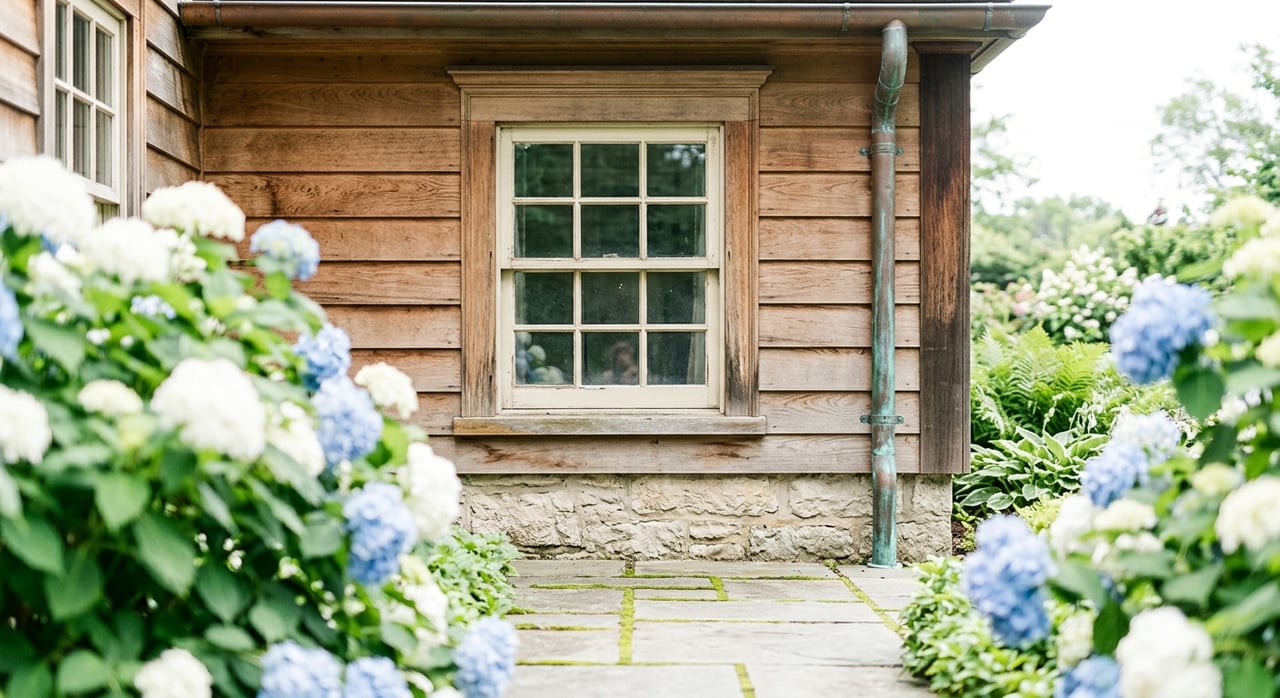
Historic homes in Geneva are not all one look or one era. The city notes that these homes can be large or small, simple or ornate, and many include later additions that blend styles over time. In practice, that means the home you love may combine original details with newer updates rather than fit one neat architectural label.
As you tour homes, you may see a wide range of architectural styles the city identifies in its historic areas, including:
These labels can help you understand what details may be original and what features may have changed. They can also shape future repair or renovation decisions if you want updates to fit the home’s character.
One of the most important things to learn early is whether a home has local historic designation. In Geneva, local designation matters more than a National Register listing when it comes to day-to-day ownership decisions about exterior work.
The city says National Register status recognizes historic significance, but it does not by itself protect a property from incompatible changes or demolition. Local designation is what triggers review by Geneva’s Historic Preservation Commission before a building permit is issued for certain exterior projects.
For historic properties, the Historic Preservation Commission reviews exterior projects that require permits, including:
That does not mean every project becomes difficult. It does mean you should expect a review process for many exterior changes and plan ahead.
Geneva says interior work is not reviewed by the Historic Preservation Commission. Ordinary maintenance like painting, gutter replacement, and most landscaping also is generally not reviewed, although mature tree removal is treated differently.
For many buyers, that is reassuring. You can still use and enjoy the house like a normal home, but exterior changes may involve more steps than they would on a non-designated property.
Historic-home due diligence starts before you write an offer. Geneva provides tools that can help you understand a home’s history and designation status before you move too far into the process.
The city’s Historic Designations StoryMap can be especially useful during your early research. It includes photos, design information, rating descriptions, and historical context for properties in the historic district. The city also points residents to the Geneva History Museum for property-history research.
Before you move forward, consider asking:
These questions can help you avoid buying a project with unclear approval history or bigger restoration needs than expected.
Historic homes often lead to one big question: repair or replace? In Geneva, that is more than a style decision. It can be part of how the city evaluates work on designated properties.
Geneva’s design guidelines use the Secretary of the Interior’s Standards for Rehabilitation as the review framework. Under the city’s window policy, repair comes first. If replacement is truly necessary, the new window should match the original or existing historic window in detailing, proportions, operation, and styling.
Original windows are often one of the defining features of a historic home. If a home still has them, their condition can affect both your budget and your future approval path for exterior work.
If divided lights are part of the historic design, Geneva says replacements should replicate that look with true or simulated divided lites when appropriate. So if you are comparing homes, note whether windows appear original, previously replaced, or in need of repair.
Siding, trim, and porches can also shape renovation costs and review requirements. Buyers should ask whether these elements are repairable rather than assuming full replacement is the only path.
That matters for two reasons. First, repair may better preserve the home’s historic character. Second, the city’s grant and design resources specifically address items like windows and siding, so understanding condition early can help you budget more realistically.
Older homes can be less efficient, but quick fixes are not always the best answer. For a historic home, energy improvements usually work best when you treat the house as a system rather than a collection of separate problems.
Geneva’s window policy notes that storm windows can be a practical upgrade because they are thermally efficient, cost-effective, and reversible while allowing original windows to remain in place. That can be a helpful option if you want better comfort without losing historic features.
The National Park Service recommends starting with an energy audit and then looking at improvements such as:
The same guidance notes common air leaks around loose windows and doors, foundation cracks, and utility penetrations. It also warns against sealing a historic building too tightly, because ventilation still matters.
A historic home inspection should go beyond the usual checklist. You want to understand the house’s age-related materials, moisture patterns, and renovation risks before you close.
If the home was built before 1978, lead-based paint is an important consideration. EPA says older homes are more likely to contain lead-based paint, and dust often comes from surfaces that move or rub together, such as window frames.
Asbestos can also come up in older homes. EPA recommends testing suspect materials only if they are damaged or if planned renovation would disturb them, and sampling should be done by a trained and accredited professional.
When you meet with an inspector or contractor, ask:
These questions help you focus on the issues that most often affect historic-home costs and timelines.
If you think you may want to renovate after closing, learn Geneva’s process before you buy. The city encourages owners to consult staff early in the design process, which can save time and reduce surprises.
The permit workflow starts by confirming whether the property is in the historic district. After that, the building permit application and the Historic Preservation Commission review form are submitted together.
For buyers, the takeaway is simple: if your dream home also comes with a dream addition, new porch, or exterior redesign, make sure you understand what the city will review before you commit to a budget or timeline.
Owning a historic home can involve added care, but there may also be programs that help offset some costs. In Geneva, one notable local option is the Historic Preservation Residential Façade Grant Program for designated residences.
The city says this program is meant to help owners bridge funding gaps for rehabilitation work that aligns with Geneva’s design guidelines and the Secretary of the Interior’s Standards. The city’s property-rehabilitation page also organizes checklists, permit forms, and incentive information in one place.
Illinois also offers a Property Tax Assessment Freeze for qualifying historic owner-occupied principal residences. As of June 2026, Geneva is one of the approved local governments for the program. The state says eligible projects must be on a historic property, be owner-occupied as the principal residence, meet the rehabilitation standards, and have eligible rehab costs equal to at least 25% of the assessor’s pre-rehab fair-cash value.
It is also worth knowing what does not usually apply. The federal Historic Rehabilitation Tax Credit and the Illinois Historic Preservation Tax Credit are aimed at income-producing buildings, not typical owner-occupied single-family homes.
Buying a historic home in Geneva often means balancing charm, responsibility, and long-term planning. You may gain original architecture, a strong sense of place, and details that are hard to find in newer construction. You may also take on a more thoughtful process for repairs, maintenance, and exterior improvements.
That is not a reason to shy away from these homes. It is a reason to buy with clear eyes, good local guidance, and a strong plan for inspections, permits, and future work.
If you are considering a historic home in Geneva and want a practical, well-organized buying strategy, Kathryn Pinto can help you evaluate the details, understand the process, and move forward with confidence.
Set up a consultation to meet with me to discuss your real estate goals. I look forward to meeting with you!
Contact TodayCompass
490 Pennsylvania Glen Ellyn, IL 60137